Skip to content
MakerBuddy

MakerBuddy blog

ESP32, sensors and STEM teaching guides

Project ideas, plain explanations of how sensors and outputs work, and notes for teaching electronics and IoT in class.

IoT Fundamentals

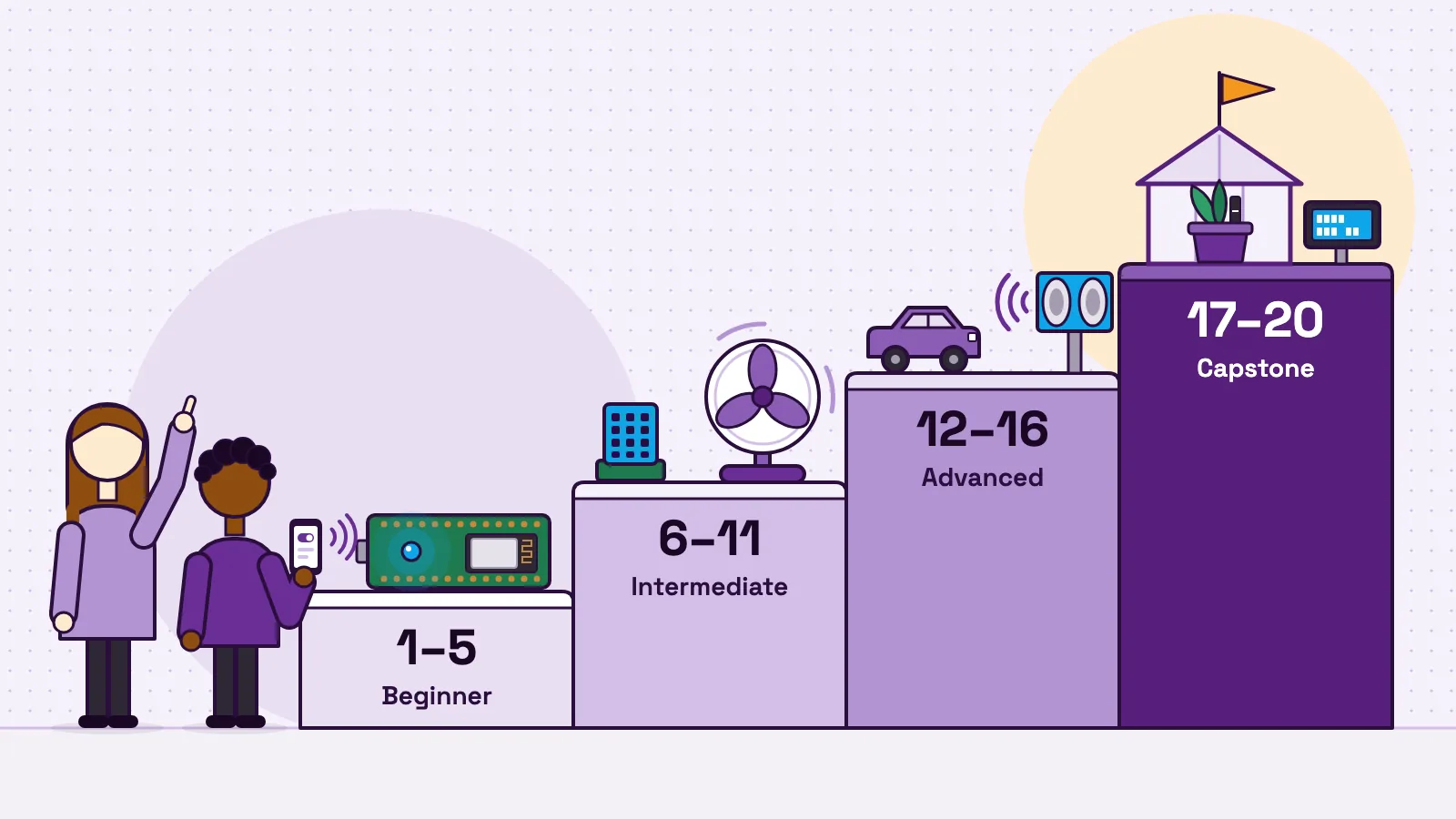
IoT Projects for Students: 20 Ideas From Beginner to Capstone

Twenty IoT project ideas in the order a class can build them, from switching a light from a phone to a capstone that runs four rules at once. Each one lists its difficulty, its parts and the lesson that teaches it.

18 min read

Sensors Explained

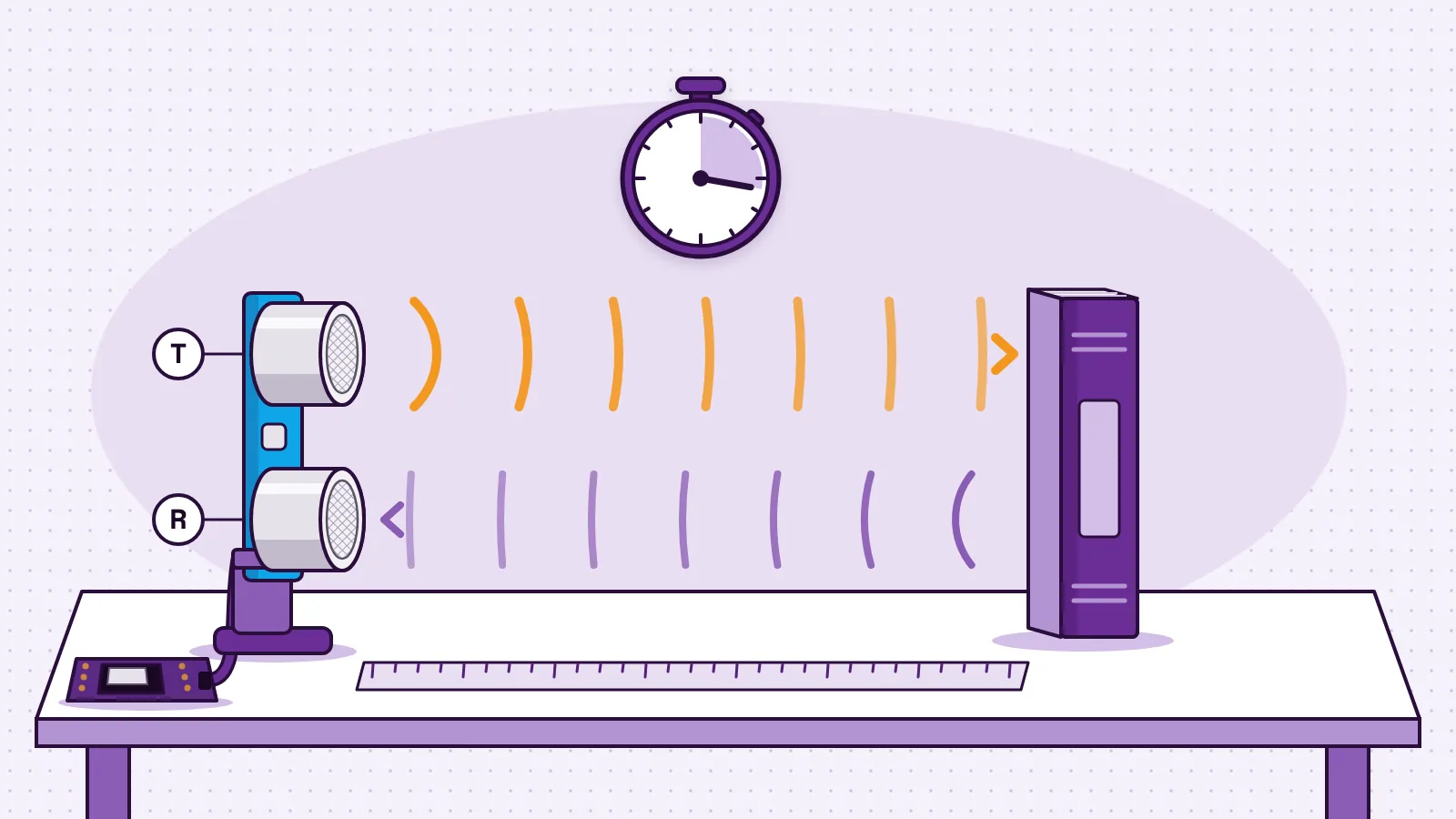
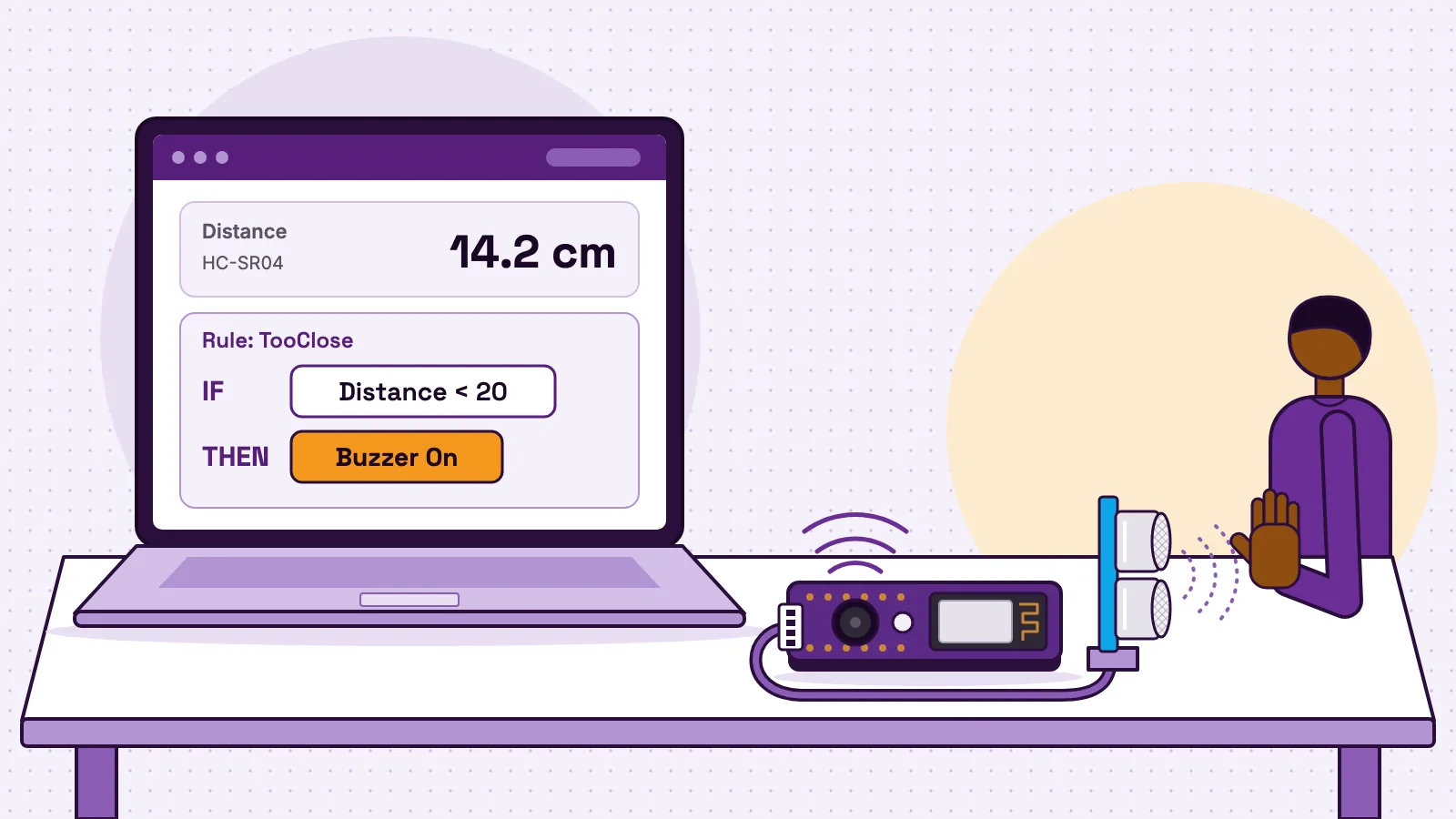
Ultrasonic Sensor (HC-SR04): How It Measures Distance With Sound

An ultrasonic sensor sends a burst of sound too high to hear and times the echo. See how the HC-SR04 turns that time into centimetres, what its four pins do, where it fails, and how to use it with or without code.

20 min read

Sensors Explained

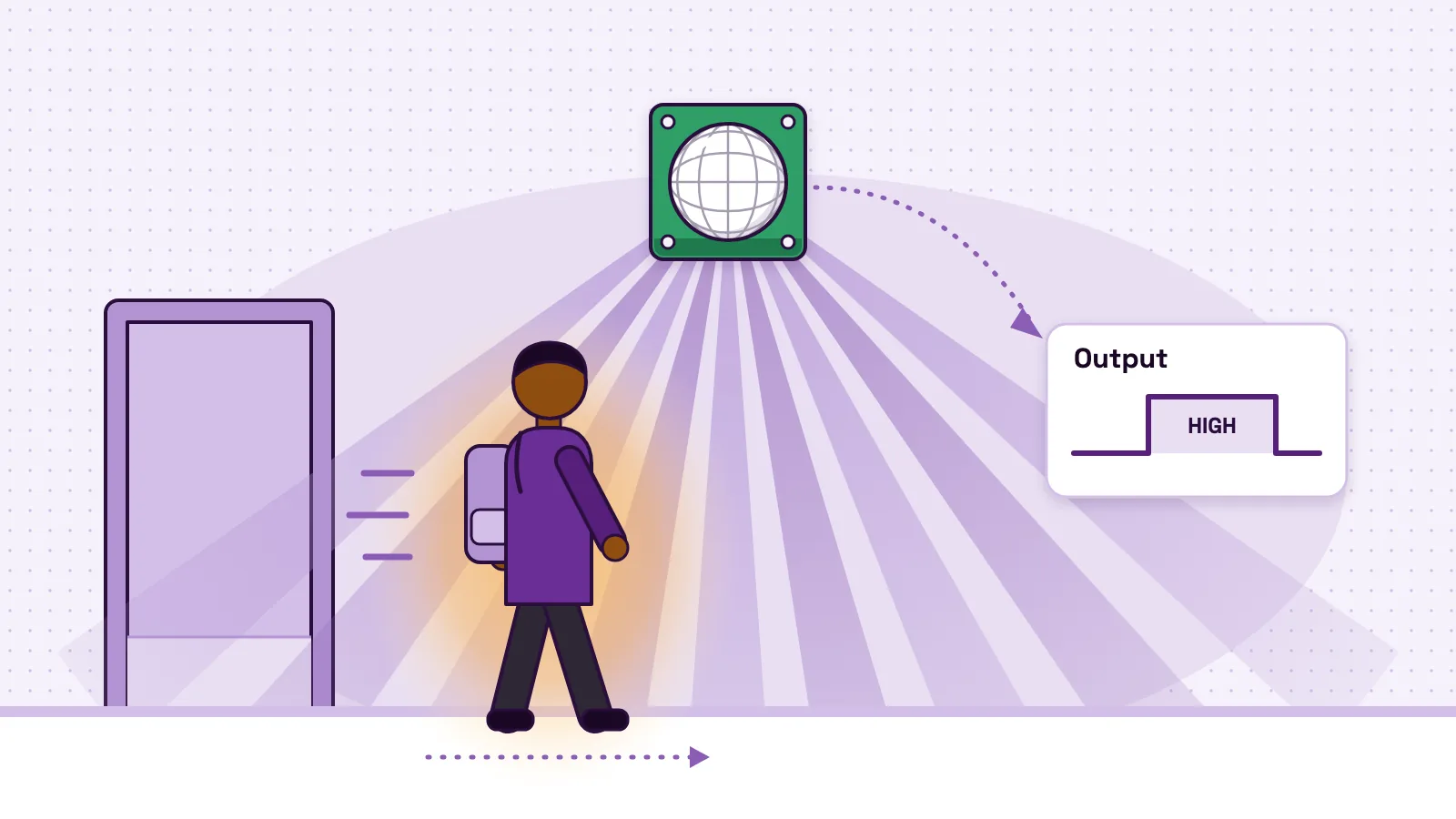
PIR Motion Sensor: How It Works, Range and Settings

A PIR motion sensor notices warm bodies moving in front of it. See how it works inside, how far it reaches, what its knobs and jumper change, and how to use one on the MakerBuddy board without code.

19 min read

Electronics Basics

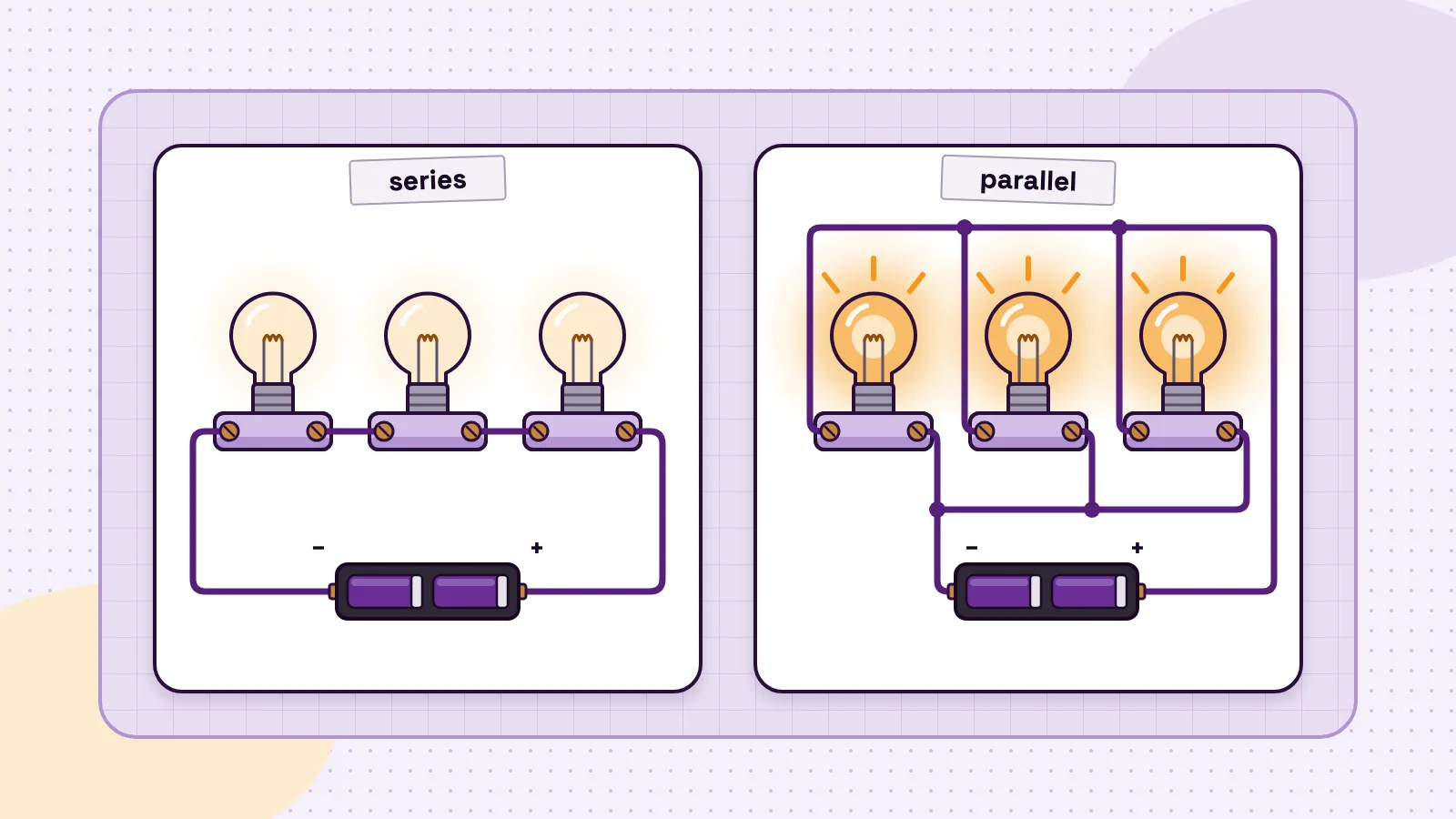
Series vs Parallel Circuits: Differences, Rules and Examples

A series circuit has one path, so its parts share the voltage; a parallel circuit has branches, so every part gets the full voltage. Learn the rules, the formulas and worked examples, then find both on a real board.

19 min read

Electronics Basics

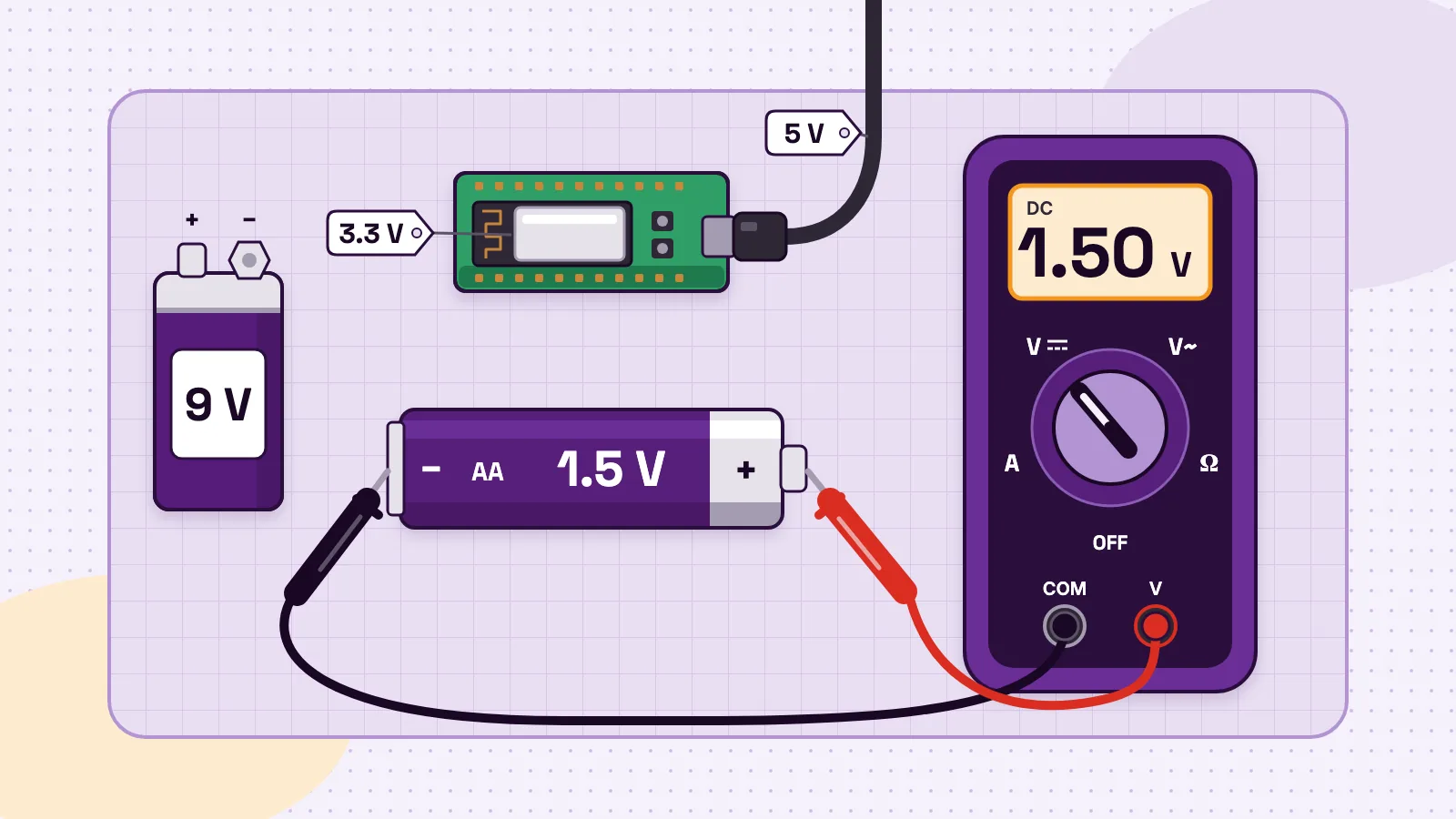
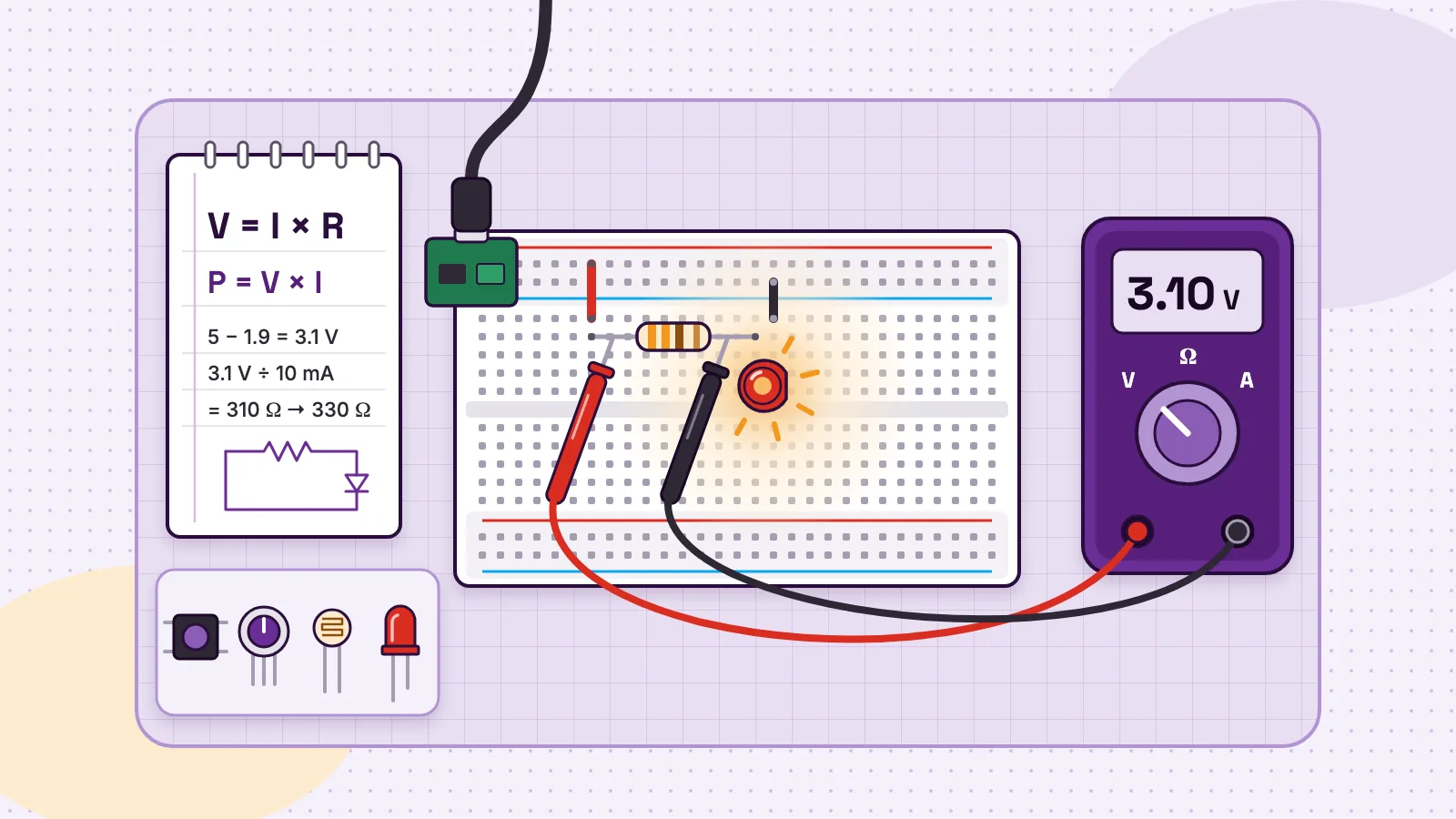
What Is Voltage? Explained Simply for Students

Voltage is the push that moves electric charge around a circuit. Learn what a volt is, how voltage differs from current, the voltages you meet every day, and why one small learning board uses both 5 V and 3.3 V.

19 min read

Motors, Relays & Outputs

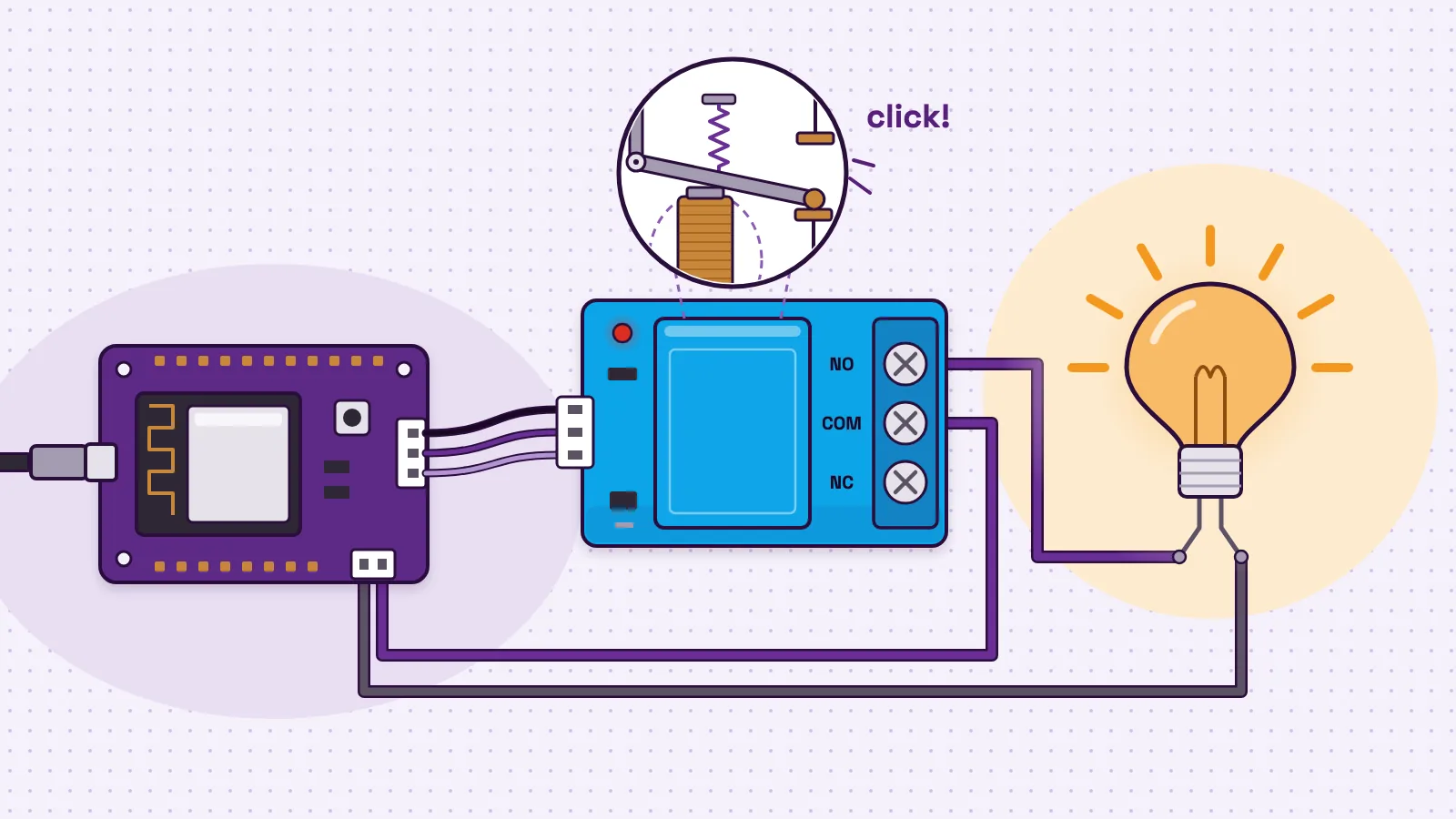
What Is a Relay? How a Small Signal Switches a Big Load

A relay is a switch flipped by an electromagnet, so a weak signal can turn a separate, bigger circuit on and off. Learn how it works, the main types, where relays are used and how to try one safely.

19 min read

Electronics Basics

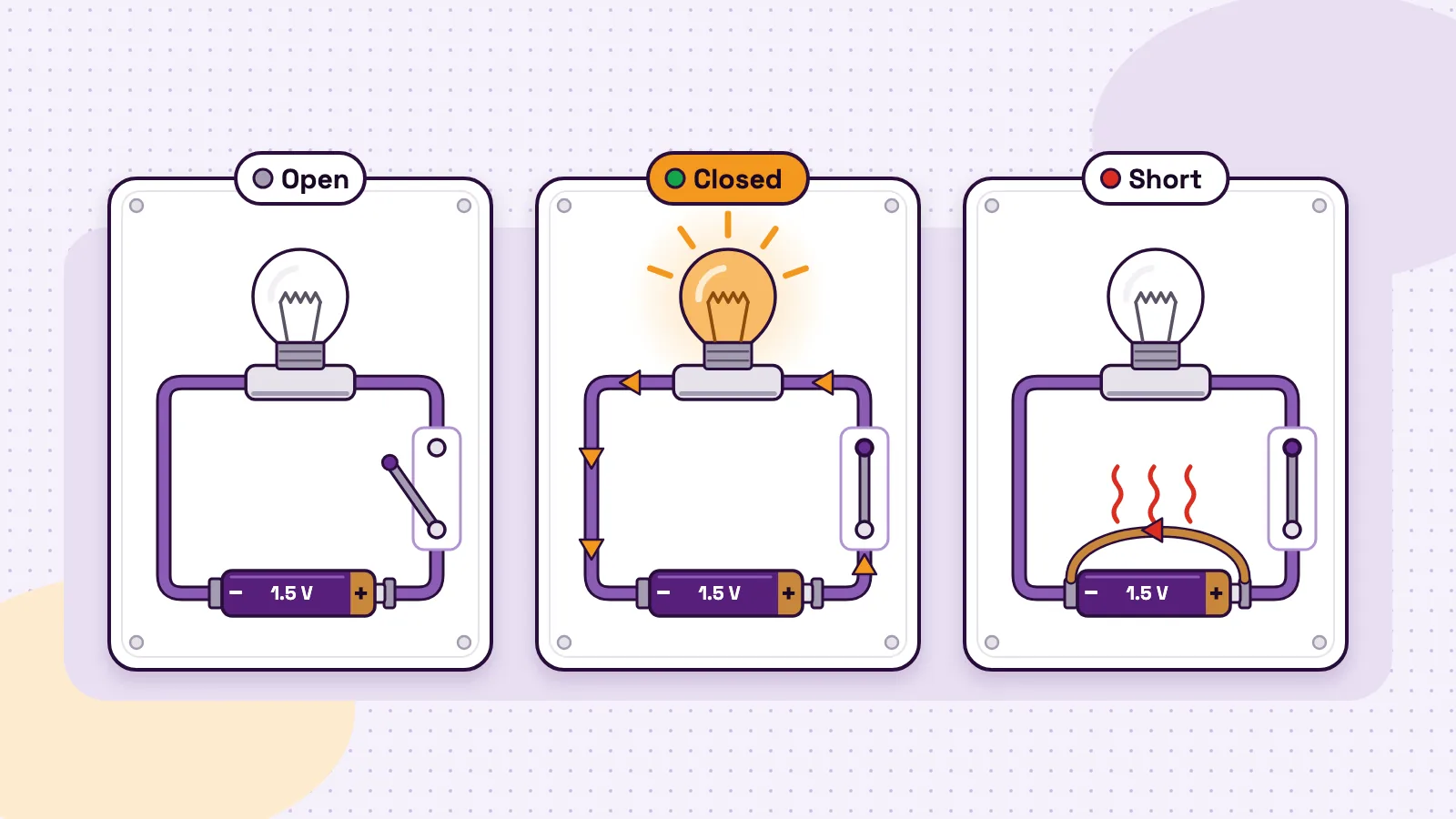
What Is a Circuit? Open, Closed and Short Circuits Explained

A circuit is a complete loop that electricity flows around. Learn what open, closed and short circuits are, how much current each one draws, and how a real push button opens and closes a circuit.

19 min read

ESP32 Guides

Best ESP32 Starter Kits for Students: An Honest Buyer's Guide

Six ESP32 starter kits compared on the same criteria: how the parts connect, which sensors come in the box, the lessons, the no-code option and the price. MakerBuddy is our kit, and we say where it is the wrong choice.

20 min read

ESP32 Guides

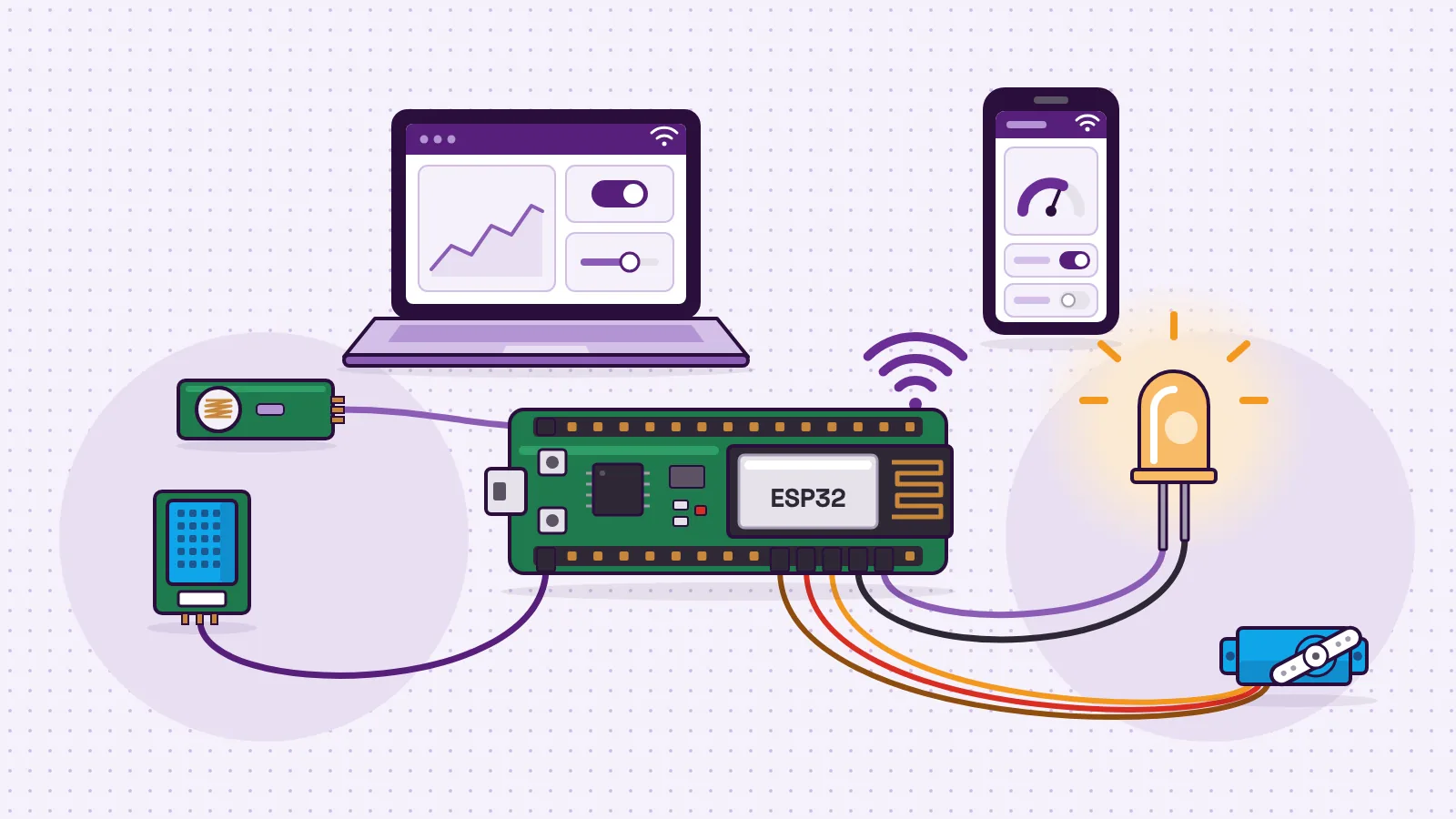
What Is ESP32? A Beginner's Guide to What It Can Do and How to Start

The ESP32 is a small chip with built-in Wi-Fi and Bluetooth that works as the brain of a gadget. Learn its specs and pins in plain words, how it compares with Arduino and Raspberry Pi, and how to start, from no code to a first sketch.

20 min read

IoT Fundamentals

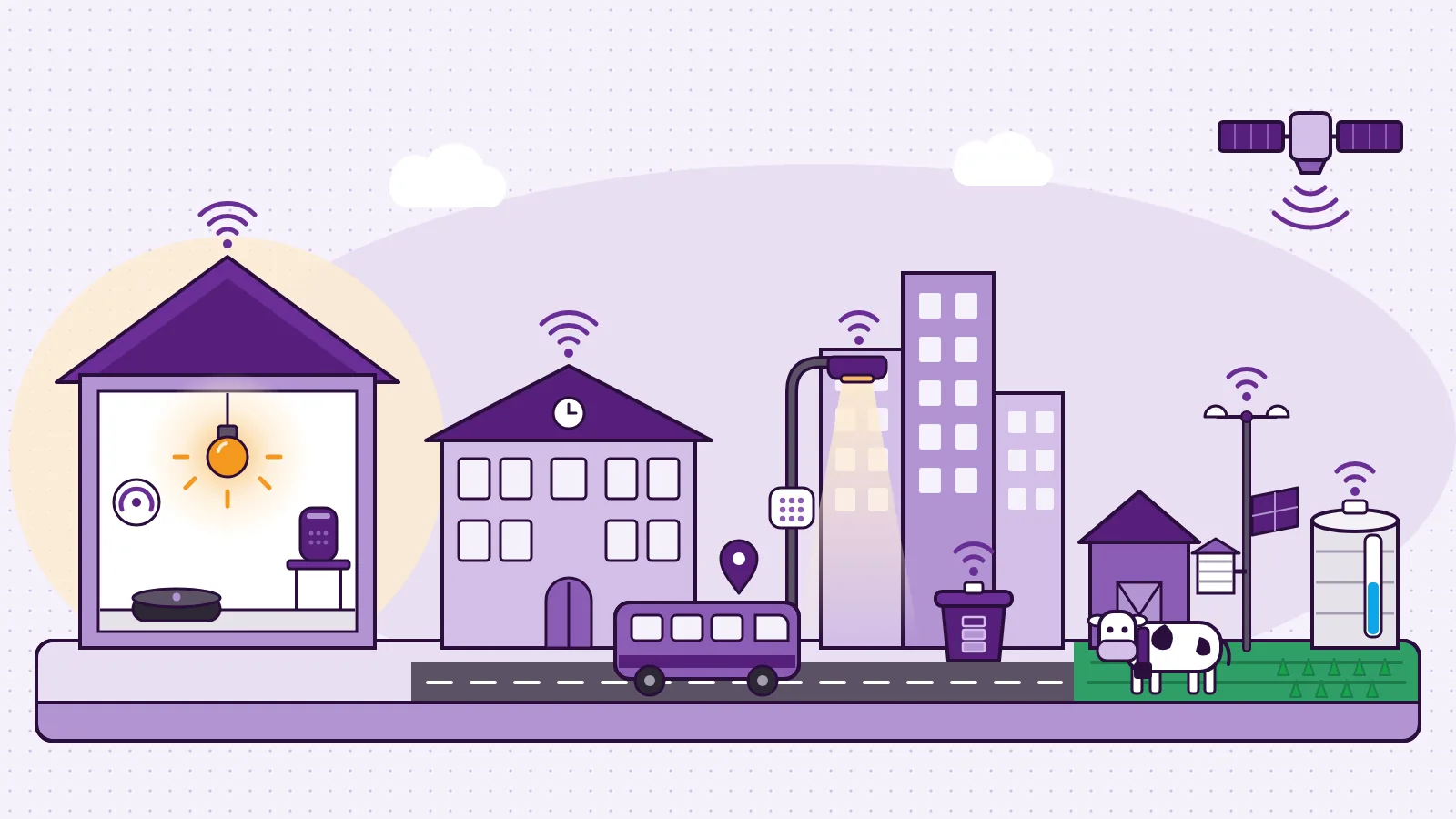
IoT Examples: 25 Everyday Connected Devices and How They Work

The Internet of Things is everyday objects that sense, share and act over a network. Here are 25 real IoT examples from home, school, the city and the farm, and one you can build yourself on a student kit.

20 min read

STEM at Home

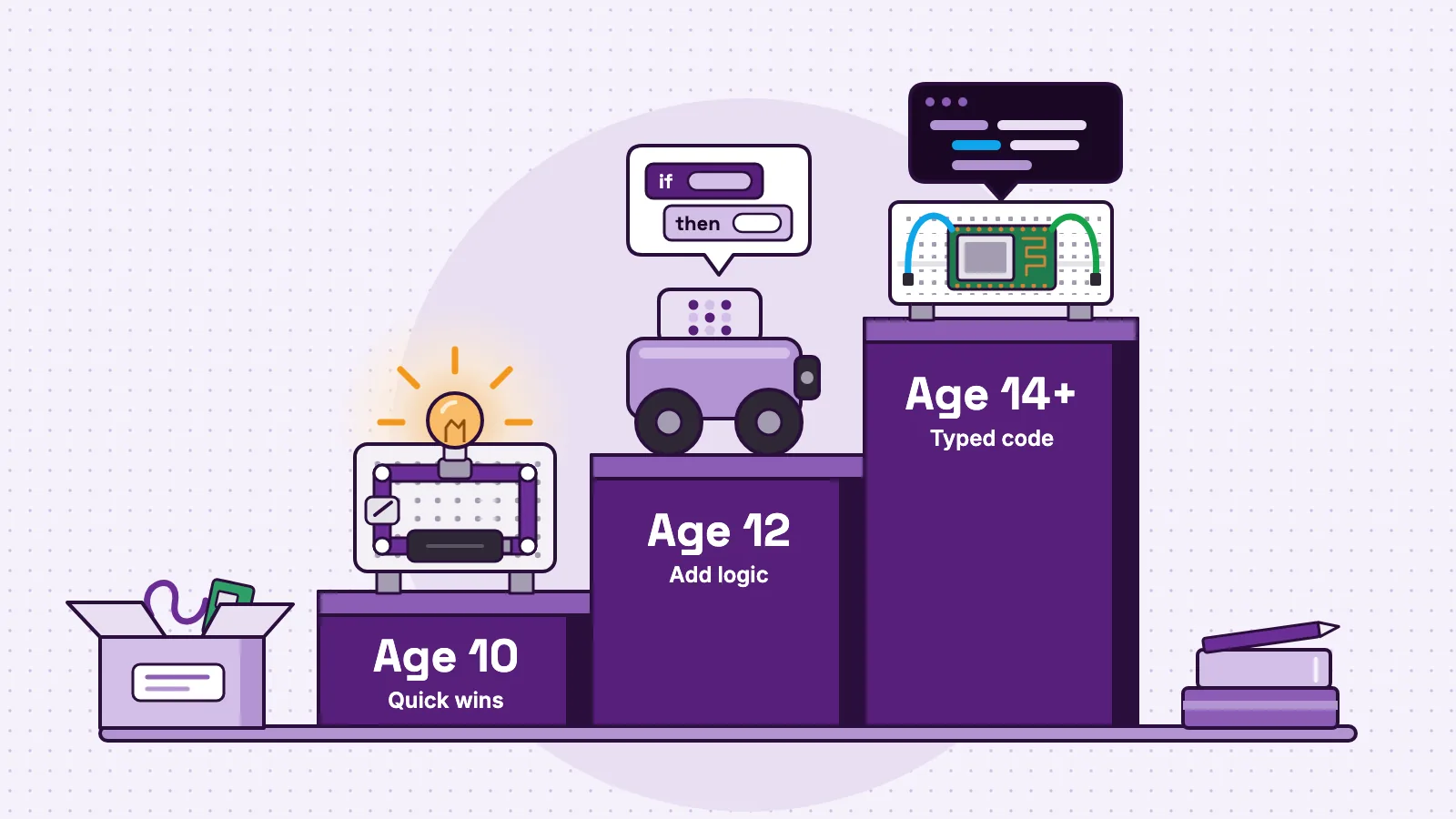
Best STEM Kits by Age (10, 12, 14+): An Honest Buyer's Guide

The best STEM kits fit what a child can do today and leave room to grow. This guide sorts the main kinds of kit by age, 10, 12 and 14 and up, with what each teaches, what it costs after the box and when it is the wrong buy.

19 min read
Sensors Explained

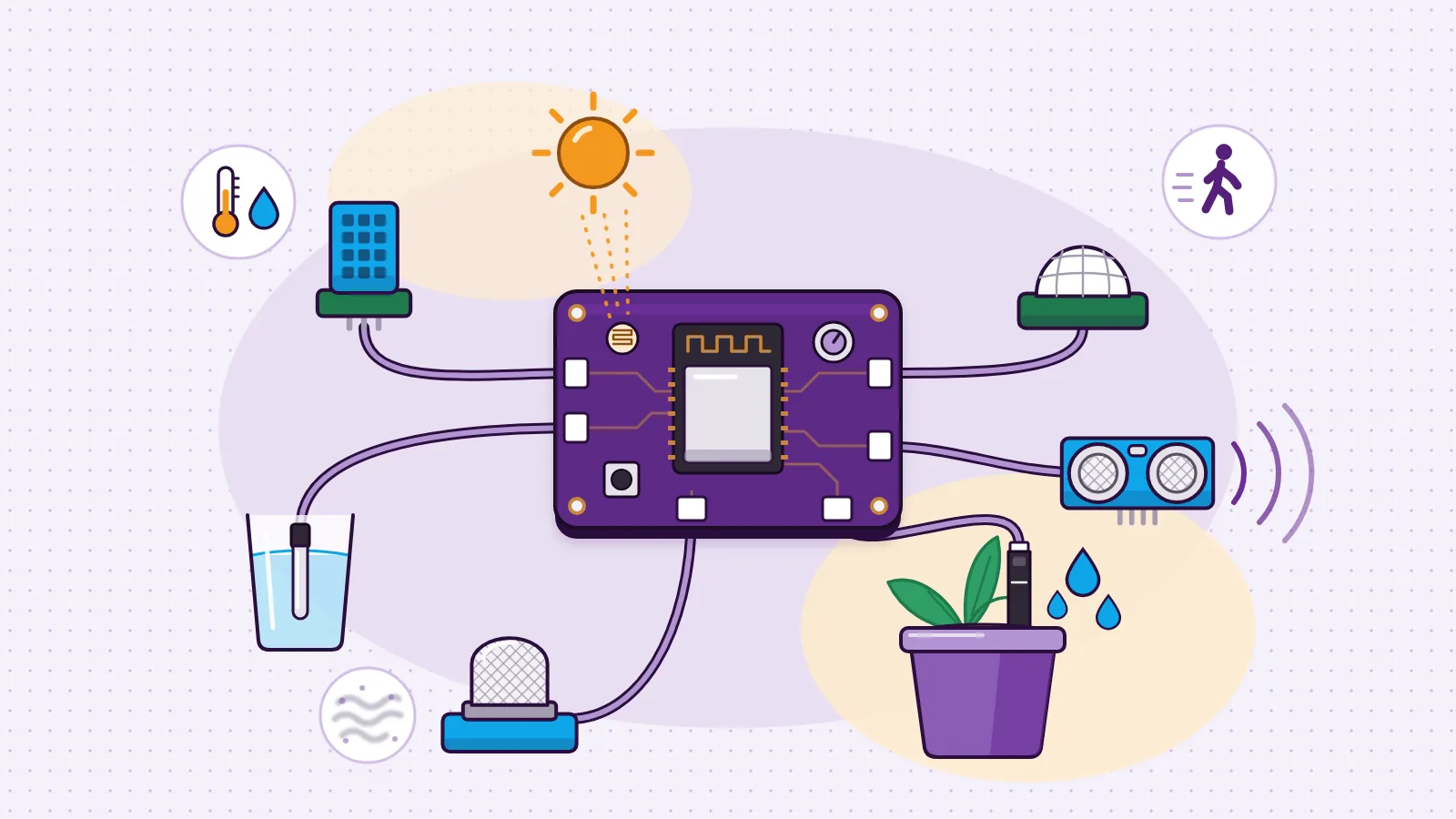
Types of Sensors: A Visual Guide to the Sensors Used in Student Projects

A sensor turns light, heat, distance, movement, gas or water in soil into a signal a small computer can read. This visual guide shows the nine sensors in the MakerBuddy kit, what each one measures, the signal it sends and the lesson that teaches it.

24 min read